
Instead, it provides a guideline of what to include in your meals and snacks—especially whole foods, like fruits, vegetables, whole grains, legumes, fish, nuts, seeds, cheese, fermented dairy, eggs and, if you drink, a small amount of red wine. You don’t have to completely switch over to this eating pattern all at once. Pick one or two foods or food unimeal trustpilot groups to start incorporating more of and once that’s become a habit, start adding more of others. Like plant-based oils and avocados, nuts are high in poly- and monounsaturated fats, which is the type that can benefit your heart health. Fat, protein and fiber are the perfect trio for staying full, keeping blood sugar stable, lowering cholesterol and reducing inflammation. To incorporate more into your day, try snacking on a quarter-cup of nuts between lunch and dinner.
Combine a small portion with whole grains and vegetables for a balanced meal. And there is even stronger evidence that drinking more than what is considered moderate can have devastating health consequences, including an increased risk of cancer. Connect health centers with additional resources to help facilitate the work. Counselors working with patients on implementing the Med-South program begin by asking what patients want to change and how they feel most comfortable starting. While studies on the Med-South lifestyle program continue, Samuel-Hodge said her team has already learned lessons that could help public health workers in other regions to implement similar programs that cater to the palates of local communities.
These are some of the most common chronic health conditions affecting Americans. Evidence also suggests it may also improve cognition among older adults. Unlike the trendy diets that gain popularity as ways to quickly lose weight, the Mediterranean diet offers advantages beyond weight loss.
Tips for making a Mediterranean diet meal plan
Frozen and canned are also great options to make them more cost-effective and to help them last a lot longer—just make sure to check that there is minimal-to-no added sodium, added sugar or added fat. Here, we give you a blueprint to follow the Mediterranean diet along with tips to make small, sustainable changes to what you’re already eating to help it better align with your goals. Get a quick how-to, a shopping list and meal guidance for beginning this ultra-healthy and highly-customizable way of eating.
Cook with Plant-Based Oil Instead of Butter
You may experience some discomfort – stomach upset, gas, bloating and light-headedness – when you start to eat this way. If the Mediterranean diet is a big change from your usual way of eating, you may want to start slowly. If your heritage is Northern European, you may also want to explore the Nordic diet. This way of eating has quite a bit in common with the Mediterranean diet, with an emphasis on fish, plant-based foods and whole grains. 12 Although canola oil is recommended instead of olive oil, you can use olive, avocado or coconut oil if you are avoiding seed oils. The Med-South program has been well received by patients who have adopted it and has proven to effectively reduce blood pressure and improve short-term weight loss.
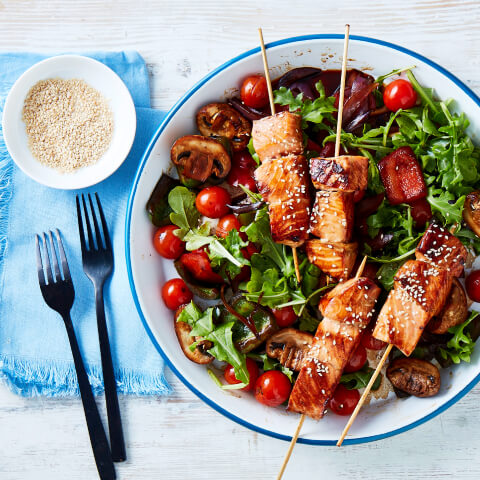
How to Enjoy the Mediterranean Diet Using Foods Near You
- Only the DASH (Dietary Approaches to Stop Hypertension) diet received a better score.
- You can also work with a registered dietitian or a certified nutritionist or talk with your doctor or other primary health care provider about starting this eating plan.
- The Oldways Preservation Trust is a nonprofit that has developed eating plans based on the traditional diets of several global regions.
- Adopting healthier eating habits, such as a Mediterranean diet pattern, is one of the ways people can reduce their risk for developing these chronic conditions.
- Instead of relying on the salt shaker, buy a variety of these to spice up your meals.
- And more and more research is finding that foods from all over the globe—not just foods from one specific region—can confirm the same benefits when eaten in similar proportions to the Mediterranean diet.
“A Mediterranean lifestyle also emphasizes certain cooking methods over others,” adds Obeid. “Baking, grilling, steaming, and boiling are preferred over pan frying or deep frying, for instance.” U.S. News & World Report has named it the best overall diet for six years in a row.
What Challenges Does Following the Mediterranean Diet Present?
Pair them with a fruit or vegetable if you need more to keep you full and satisfied until your next meal. Healthy plant-based oils like extra virgin olive oil are a main fat source in the Mediterranean diet. The Mediterranean diet emphasizes eating more heart-healthy fats—including poly- and monounsaturated fats—and fewer saturated and trans fats. Oils like olive oil, canola oil, avocado oil, peanut oil, sesame oil and sunflower oil are all good sources of unsaturated fat.
What are the benefits of a Mediterranean diet?
Provide patient-centered care to understand where clients are starting on their journey. AARP is a nonprofit, nonpartisan organization that empowers people to choose how they live as they age. Kimberly Goad is a New York-based journalist who has covered health for some of the nation’s top unimeal-review.com/trustpilot/ consumer publications. Her work has appeared in Women’s Health, Prevention, Health and Reader’s Digest.
Heart-Healthy Hush Puppies
Look for a registered dietitian or registered dietitian nutritionist (RDN). People in these occupations must usually have a four-year college degree plus 900 to 1,200 hours in a dietetic internship through an accredited program. They must also pass a dietetics registration exam and meet continuing professional education requirements. Some RDNs are certified in a specialized area, including pediatric nutrition, sports dietetics, nutrition support or diabetes education. Additionally, the Mediterranean diet does allow for the consumption of a moderate amount of wine.
Mediterranean diet: Foods to eat, health benefits and how to get started
Highly-processed foods are not regularly consumed as part of the Mediterranean diet. When possible, try to choose foods with just whole-food ingredients like nuts, legumes or whole grains like oats and bulgur. Whole foods also include fruits, vegetables, fish and healthy plant-based oils like olive oil. The Oldways Preservation Trust is a nonprofit that has developed eating plans based on the traditional diets of several global regions. Called “heritage diets,” these ways of eating share a common emphasis on fruits, vegetables, whole grains, herbs and spices. Emphasis is on shopping for fresh foods, preparing meals at home and eating with others to enjoy the social and relationship aspects of food.
Whole grains are a mainstay of the Mediterranean diet and boast a range of benefits from helping to lower cholesterol to helping stabilize blood sugars and promoting healthy weight maintenance. Part of developing the Med-South program involved cataloging nearby resources related to eating, physical activity, medication assistance and other wellness resources that could help support behavior changes. Have community health workers deliver the program to improve accountability and lower cost.
When she’s not writing or counseling, you can find her on a run, out to brunch, or with coffee in hand trying to keep up with her two little boys. These types of foods are often linked to various health issues like heart disease and type 2 diabetes. They tend to be high in unhealthy fats, sugars and sodium, which contributes to poor health. Developed by Dr. Alice Ammerman, Dr. Thomas Keyserling, Samuel-Hodge and other colleagues, the Med-South diet melds Mediterranean eating patterns with traditional dishes from the Southeastern United States. Think healthier hush puppies, entrees that are baked or cooked on a stovetop instead of deep-fried, and vegetables cooked in olive oil rather than lard.
What foods are not allowed on the Mediterranean diet?
While they’re not whole grains, legumes have similar health benefits to whole grains—including reducing inflammation and disease risk, thanks to their fiber and antioxidants. They’re also a source of lean plant-based protein and a part of the Mediterranean diet. Yes, always inform your primary care provider of any major dietary changes or weight loss or gain. They may need to adjust your medications or other treatments, and it’s important for them to know you are making lifestyle changes. No foods are completely off limits when following a Mediterranean eating pattern, but the diet doesn’t include processed food — which is why Obeid recommends minimizing their frequency.
How to Get Started With the Mediterranean Diet
“There are all of these benefits, and if you look at all the chronic conditions that really plague the U.S. population, diet is one of the risk factors that can be modified,” Samuel-Hodge said. The Med-South diet can serve as a model for combining healthier eating habits with local foods and flavor profiles, no matter where you live. Sarah Pflugradt is a registered dietitian who holds a Ph.D. in Health and Human Performance and is a certified strength and conditioning specialist. Her extensive background in dietetics has made her a sought-after expert in family and youth sports nutrition.
You can also work with a registered dietitian or a certified nutritionist or talk with your doctor or other primary health care provider about starting this eating plan. “Be mindful of how much processed food you are eating during the week,” says Obeid. The Mediterranean diet emphasizes 7 to 10 servings of fruits and vegetables each day. But even averaging 5 servings per day has been shown to reduce the risk of dying early, including from cardiovascular disease, cancer and respiratory disease, per a 2021 study in Circulation.
